
What's up Brussels? What's up Belgium?
Brussels, more than fries and the Grand Place
Brussels is a compact, walkable capital with great historical, architectural, gastronomic and cultural wealth, and it has much more to offer than first meets the eye. Unique, welcoming and a bit quirky, it is a vibrant city where there is always something happening, right in the middle of Europe.
From The Classic and The Legacy, in the heart of the city, the main landmarks, shopping streets, museums and railway stations are all close by. This short guide gathers the essentials to help you make the most of your stay.
Top things to see, all from the centre
The historic core is small, so many of these sights are within walking distance of the hostels.
- Grand Place
- The central square and a UNESCO World Heritage Site, lined with ornate guild houses. The Classic sits about 20 steps away.
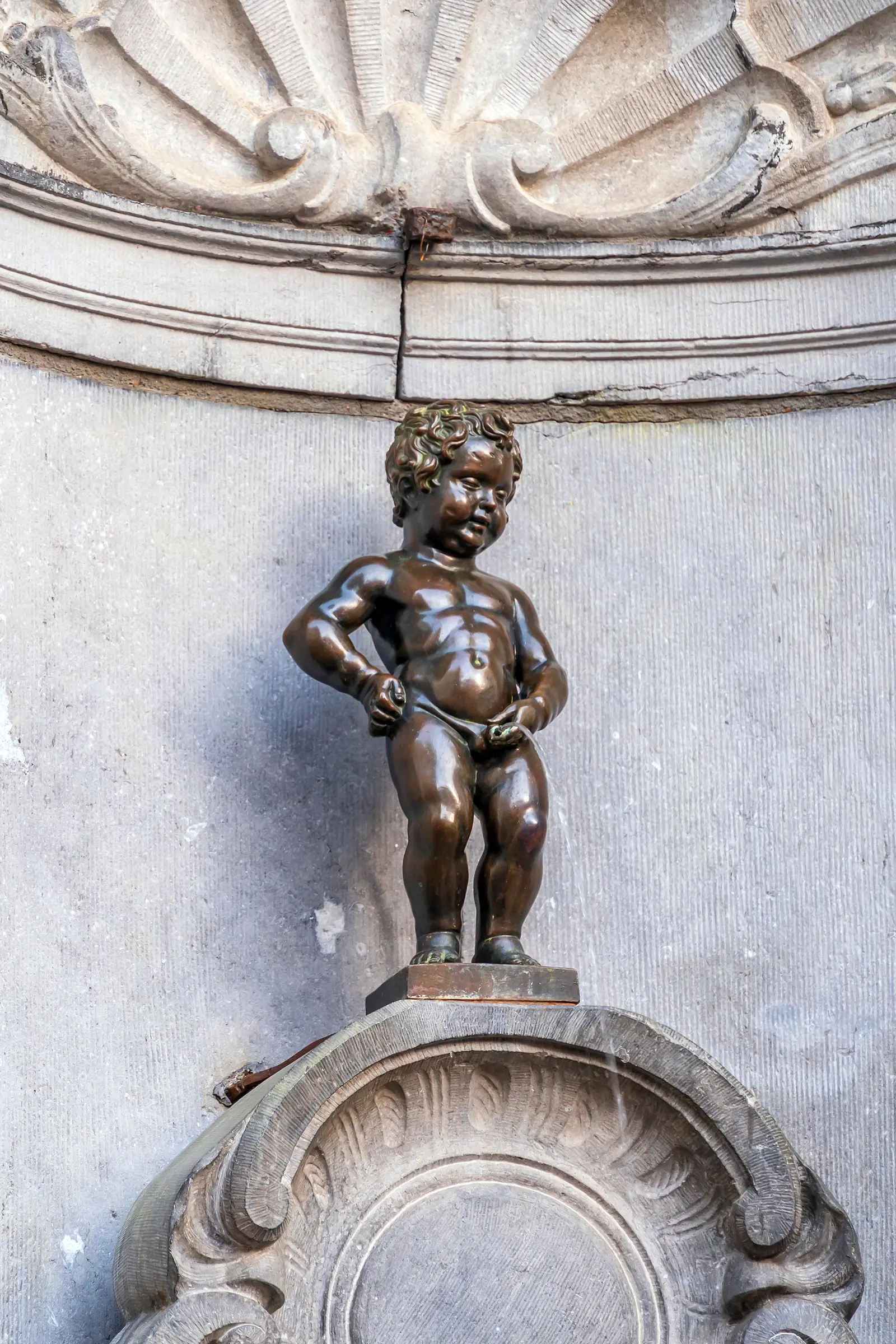
- Manneken Pis
- The small bronze fountain figure that has become a cheeky symbol of the city, a couple of minutes from the Grand Place.
- Royal Galleries Saint-Hubert
- Opened in 1847, one of the first glazed shopping arcades in Europe, full of chocolatiers and cafes.
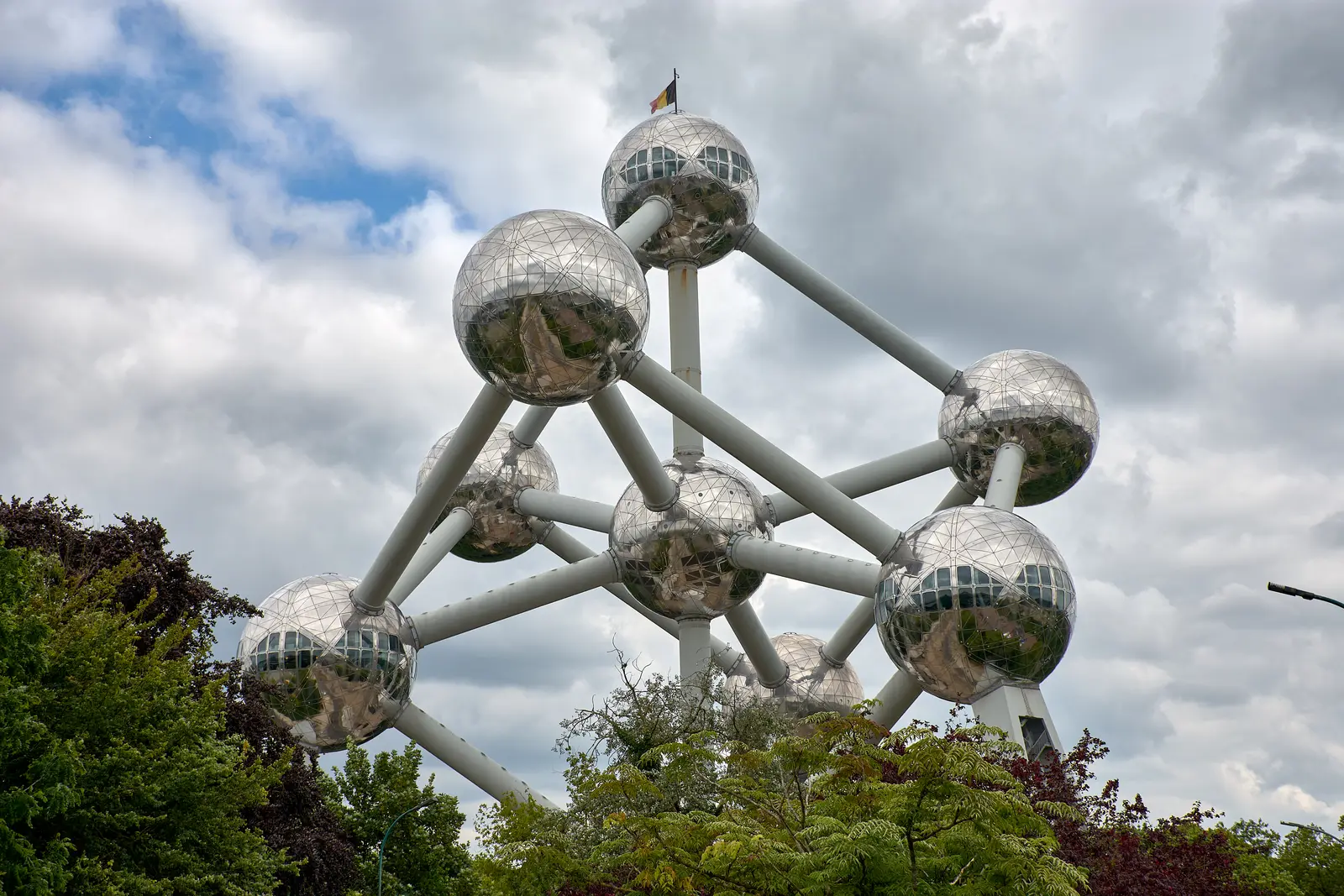
- The Atomium
- A 1958 World Fair (Expo 58) landmark shaped like an iron crystal, reachable by metro to the north of the city.
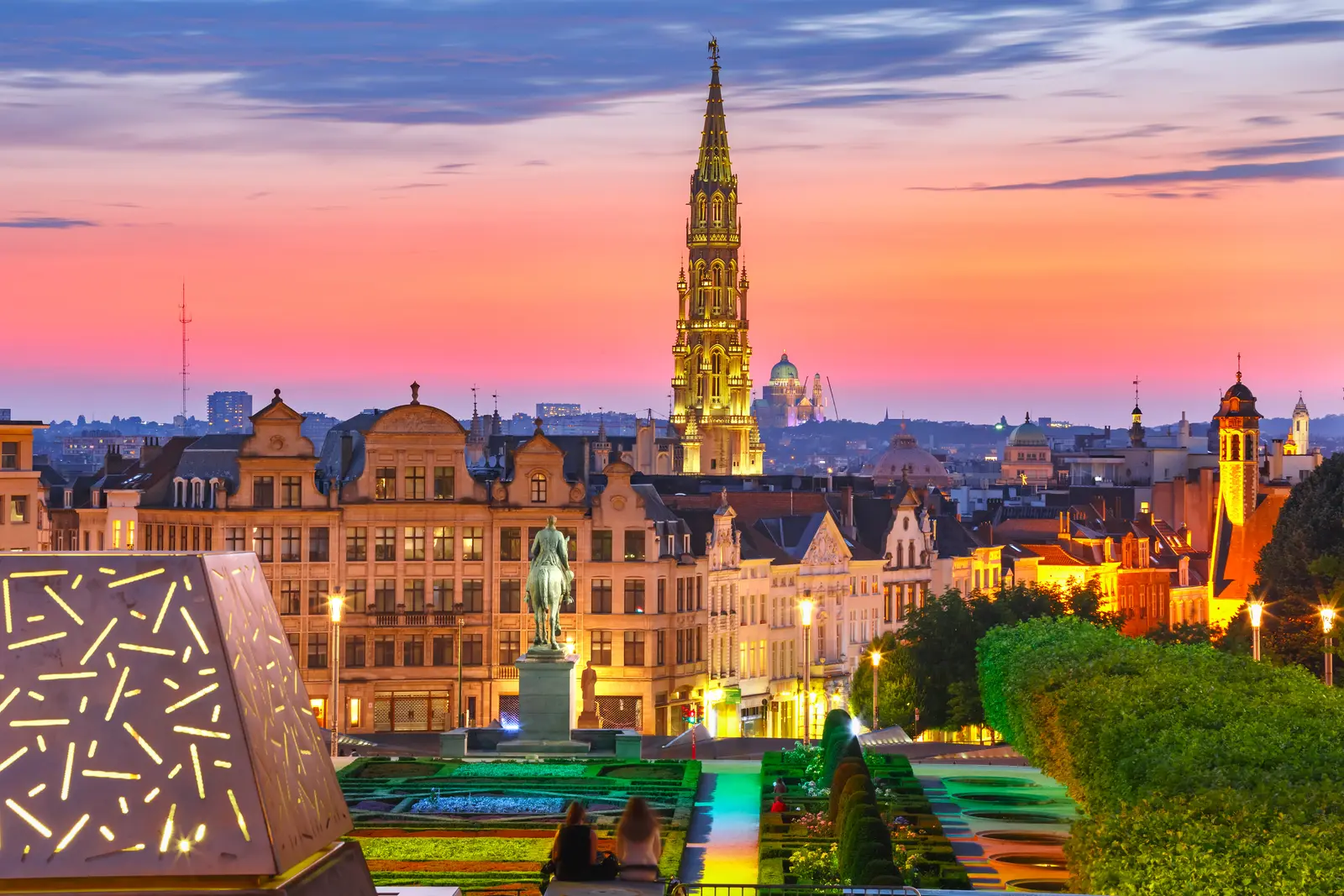
- Mont des Arts
- A garden and viewpoint between the upper and lower town, surrounded by museums and the Royal Quarter.
- Comic Art and street murals
- Brussels is the home of Tintin and the Smurfs, with a comic art museum and a trail of large murals across the centre.
- European Quarter
- The district around the European Parliament and Commission, with the Parlamentarium visitor centre and Leopold Park.
- Parc du Cinquantenaire
- A triumphal arch and museums in a park laid out for the 50th anniversary of Belgian independence, east of the centre.
Neighbourhoods worth your time
- Dansaert and Sainte-Catherine
- Design boutiques, independent shops and seafood restaurants around the old fish market, next to The Legacy.
- The Marolles
- A characterful working-class quarter with a daily flea market on the Place du Jeu de Balle and vintage design shops.
- The Sablon
- Antique dealers, galleries and chocolatiers around a Gothic church, in the upper town.
- Saint-Gilles and Ixelles
- Art Nouveau architecture, leafy squares and a lively cafe scene, a short tram ride from the centre.
What to eat and drink in Brussels
Belgian food is best enjoyed simply and locally. A few things are worth seeking out:
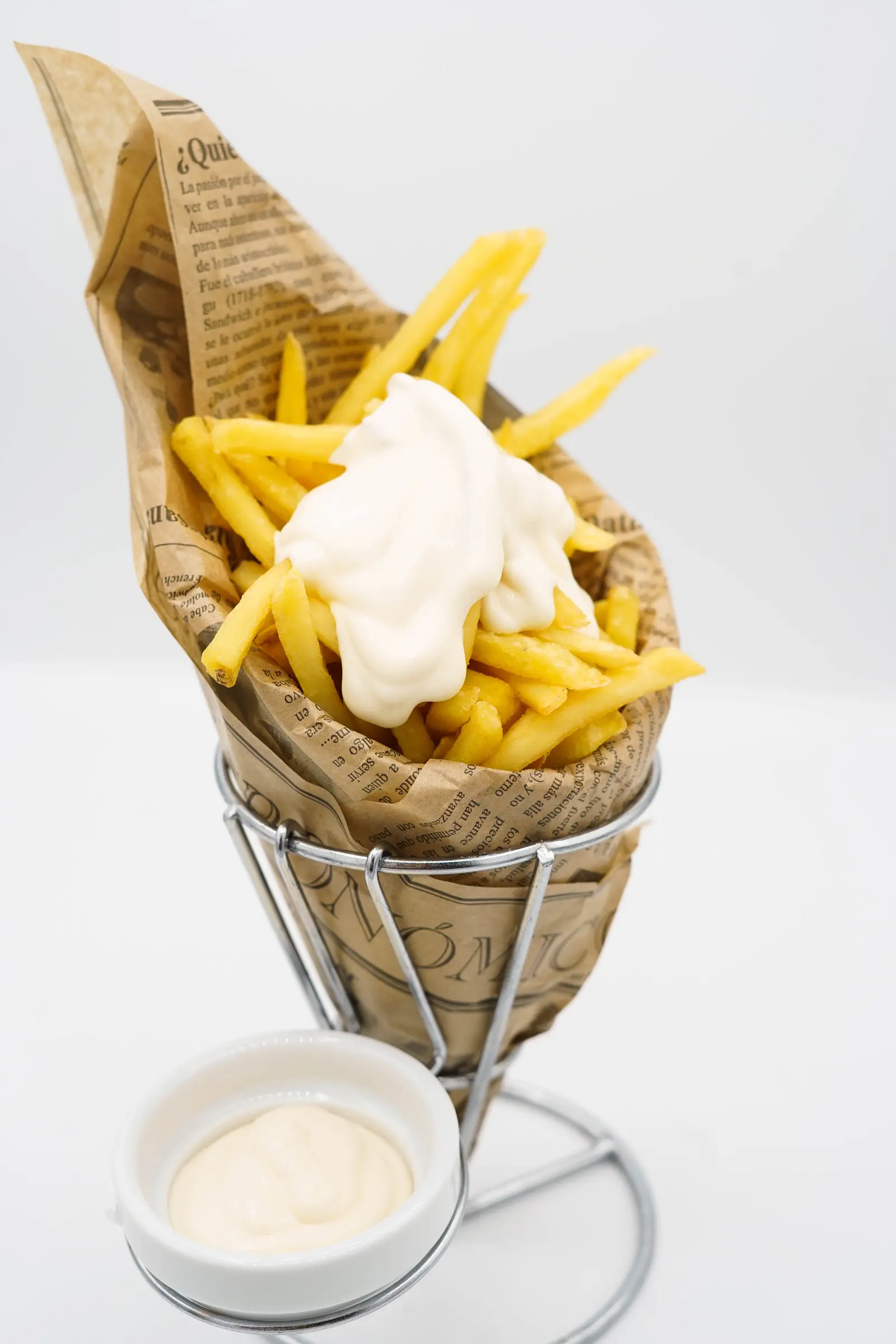
- Fries. Crisp, twice-fried and served from a friterie, ideally with a Belgian sauce.
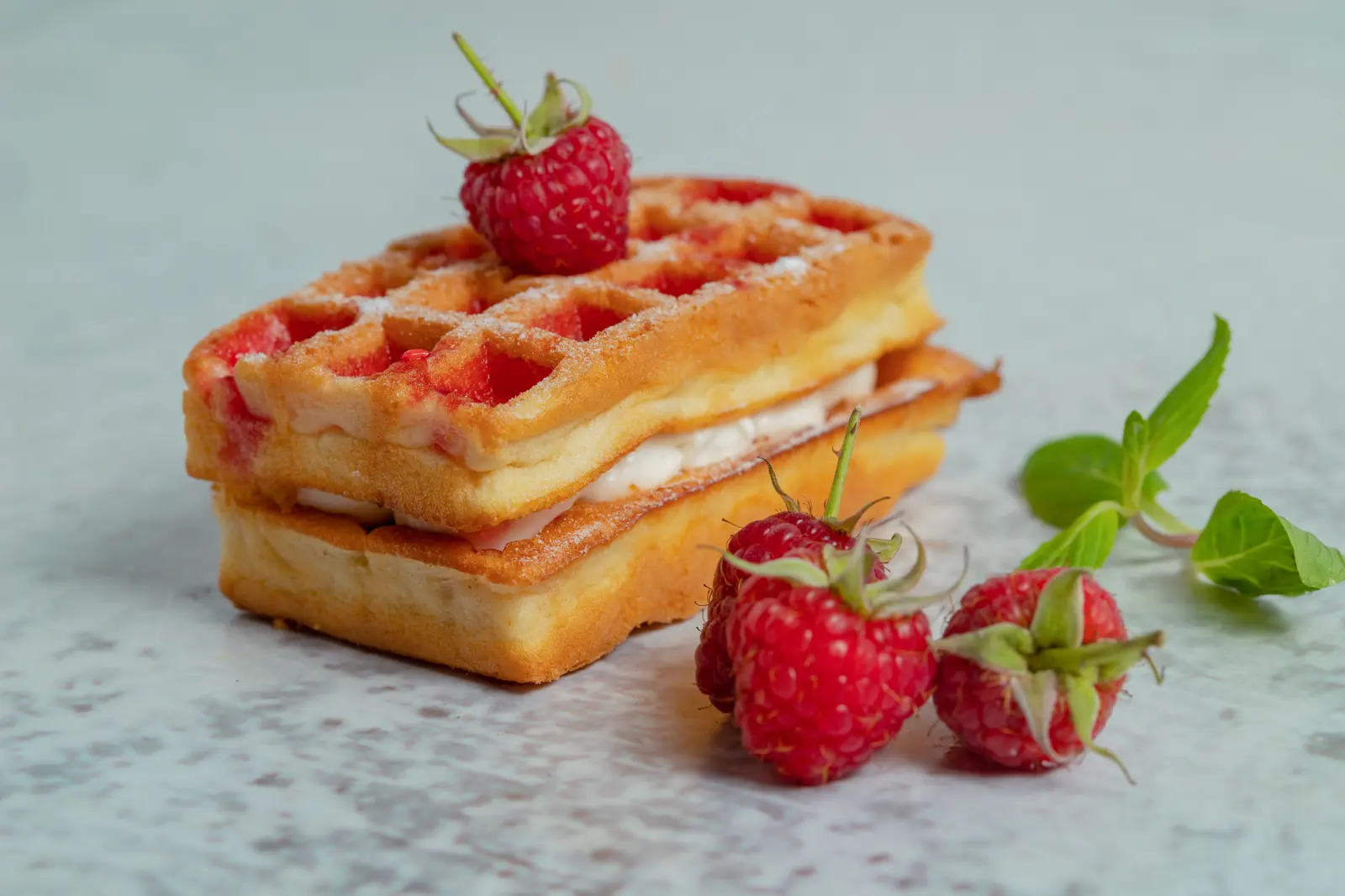
- Waffles. The lighter Brussels waffle with a little sugar, or the heavier, sweeter Liege waffle eaten warm on the spot.
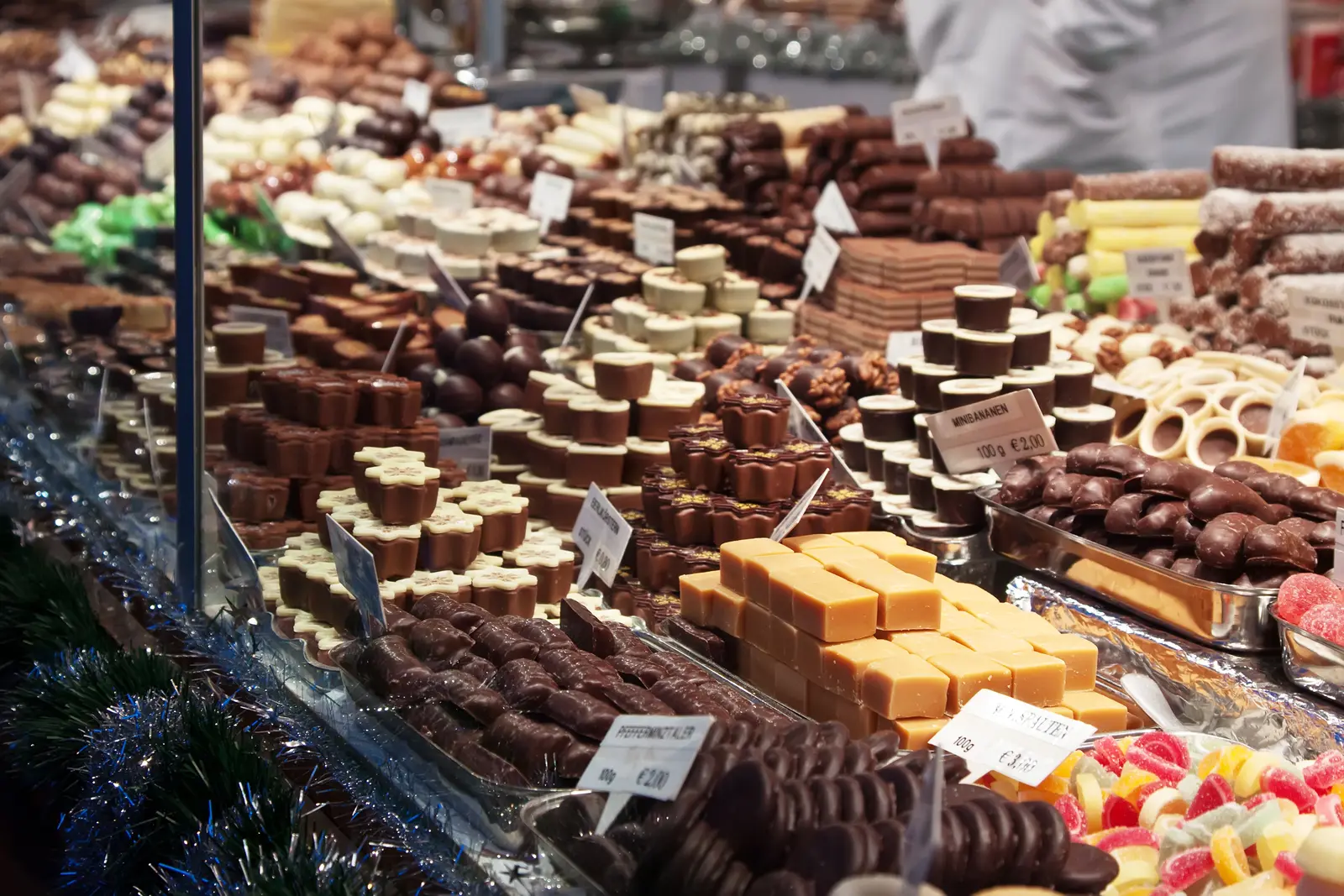
- Chocolate. Fresh pralines from one of the many chocolatiers, several of them in the Royal Galleries Saint-Hubert.
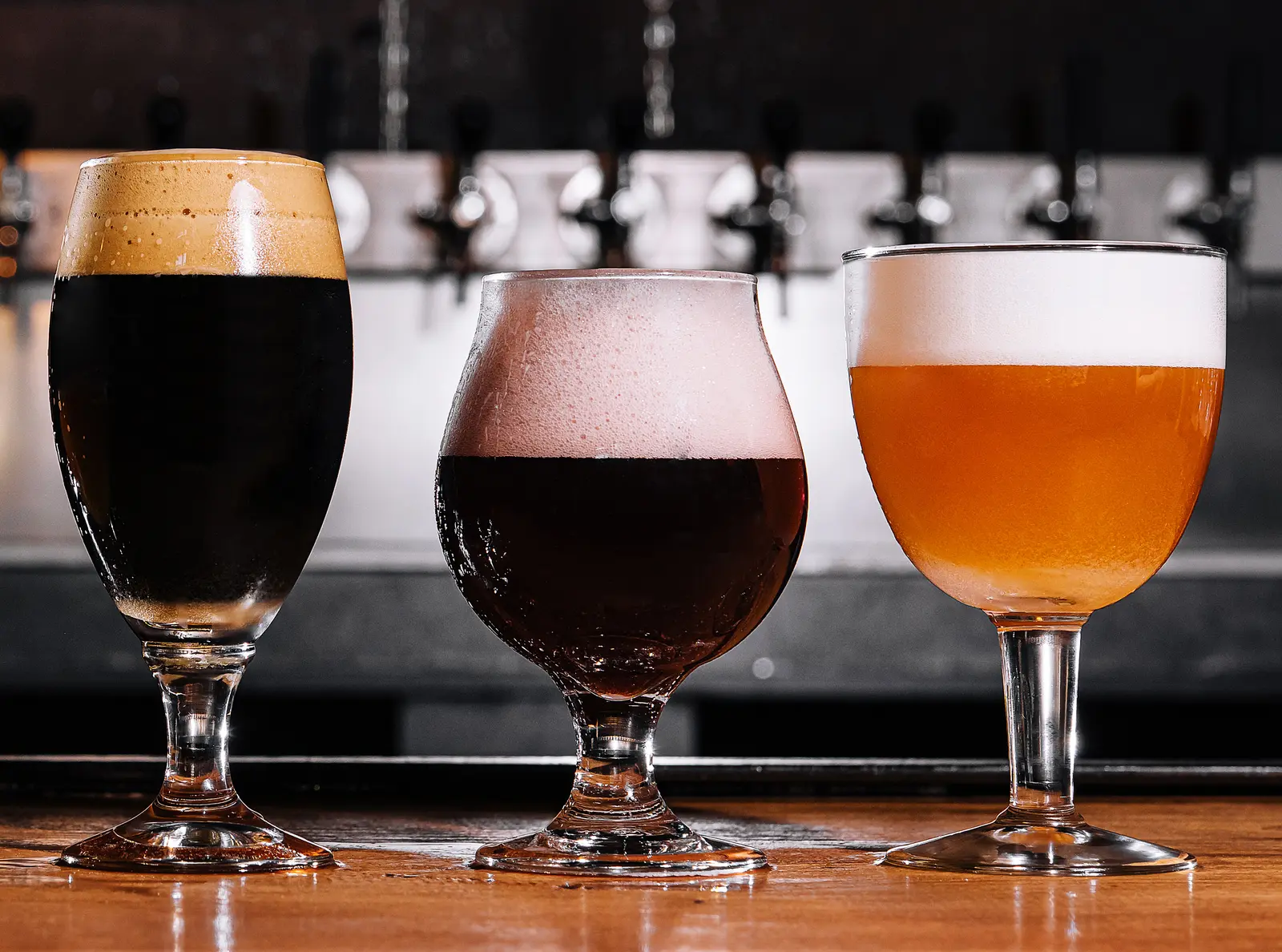
- Beer. Belgian beer culture is on the UNESCO list of intangible cultural heritage, with a wide range of styles in the city's cafes and specialist shops.
Around both hostels you will find supermarkets and a vast food offering, from typical Belgian delicacies to street food, vegan options and fine dining.
Getting around
The centre is easy on foot, and public transport covers the rest. Trams, metro and buses run across the city, and the main railway stations are only a couple of stops away. Brussels Airport (Zaventem) and Brussels South Charleroi are both connected to the centre by train and shuttle, so arriving and leaving is straightforward.
Easy day trips by train
Belgium is small and well connected, so a different city or landscape is never far away.
- Ghent
- A medieval city of canals and a famous altarpiece, around half an hour by train.
- Antwerp
- Home of Rubens, fashion and the largest railway station in the country, about half an hour away.
- Bruges
- The well-preserved "Venice of the North", a UNESCO World Heritage city, around an hour by train.
- Leuven
- A compact university town with a flamboyant Gothic town hall, a short trip east.
- Waterloo
- The famous 1815 battlefield with the Lion’s Mound, just south of Brussels.
- The Ardennes
- Rolling hills, rivers and castles such as Dinant in the green south of the country.
Brussels travel questions
How do I get from the airport to the centre of Brussels?
Is Brussels easy to explore on foot?
What languages are spoken in Brussels?
What should I eat and drink in Brussels?
What are the best day trips from Brussels?
When is the best time to visit Brussels?
More about staying with us on our FAQ page.
Feel like taking a trip to Brussels?
Come and book with us, in the heart of the city.